Best Funnel Stack for Digital Product Sellers in 2026
If you sell Notion templates, Etsy files, mini-courses, or digital downloads, the best funnel stack in 2026 is usually the one that moves buyers from discovery to checkout with the fewest extra tools.
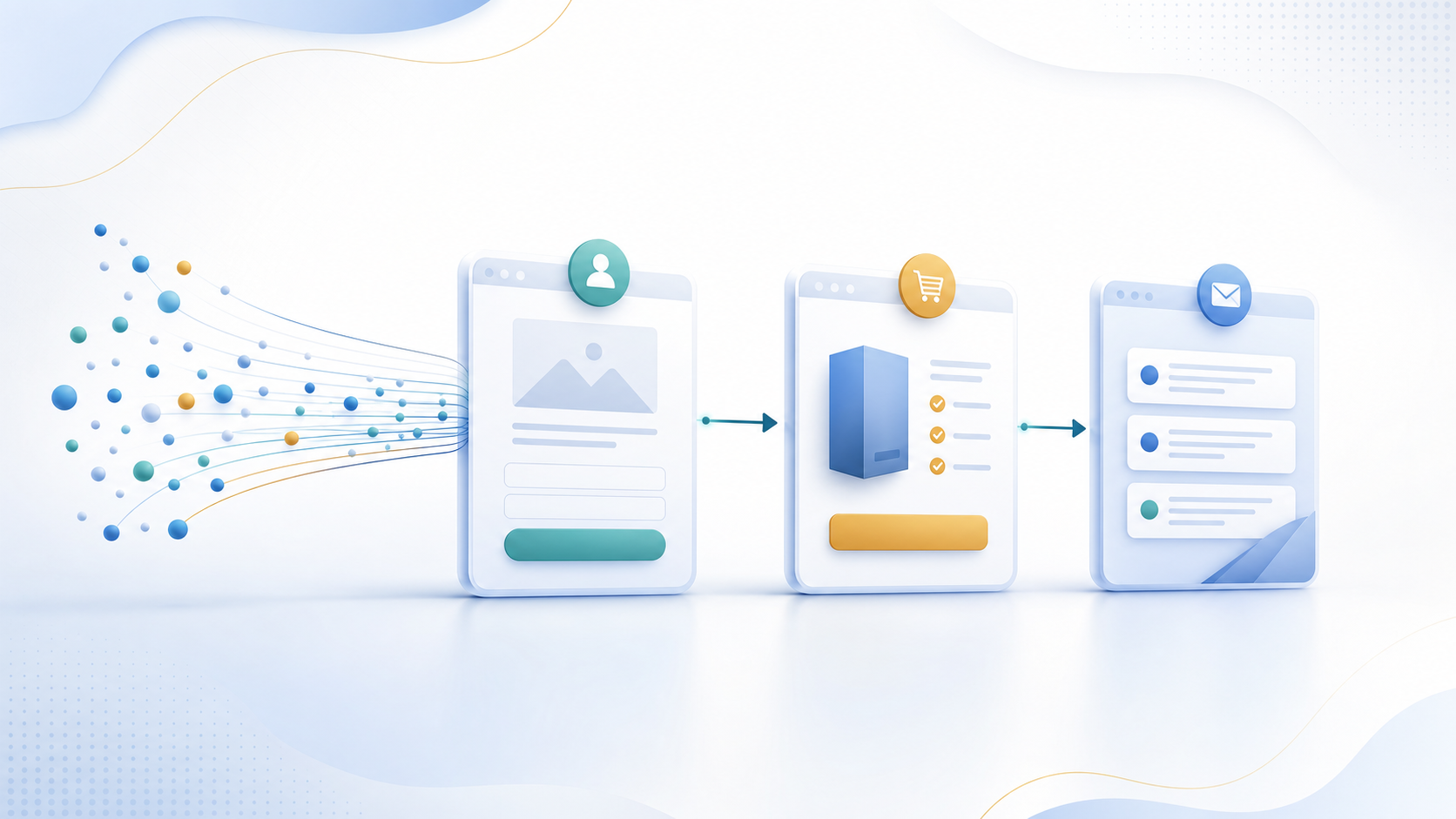
Visual summary: This summary graphic shows the practical recommendation from the article: use the shortest digital-product funnel stack that can capture intent and move the buyer to the paid step.
Most digital product sellers do not need a complicated stack. They need one setup that captures interest, follows up fast, and pushes the buyer toward the paid page before attention drifts.
Quick Answer
For most solo sellers in 2026, the best funnel stack is a lean path: one traffic source, one landing or opt-in page, one checkout or offer page, and one email follow-up branch. If you are still validating the product, do not start with five disconnected tools. Start with the shortest stack that can collect leads, present the offer clearly, and tell you whether the buyer will actually move.
Key Takeaways
- A simple stack converts better than a scattered stack when the product and audience are still being validated.
- Digital product sellers should choose tools based on buyer movement, not dashboard breadth.
- The best next click is usually into pricing, setup, or trial pages that remove launch friction.
Decision Summary
- Use a lean landing-page-plus-follow-up funnel before layering advanced automations.
- Bridge discovery content into pricing and tool-comparison pages instead of leaving readers at inspiration-only content.
- Only add webinars, upsells, or extra branches when the core path already converts.
What the best funnel stack actually needs to do
A funnel stack for digital products has one job: reduce the distance between interest and purchase. If someone comes in from Pinterest, Etsy search, a niche newsletter, or a short-form video, the stack should capture that intent while it is still warm. That means the stack must handle a page, an offer, and a follow-up step without forcing the seller to stitch together six tools before seeing whether the product can move.
For side-hustle operators, the important question is not whether a tool looks polished. The question is whether it shortens the route from traffic to payment and gives you a clean next step when the buyer is not ready on the first click.
The lean stack that usually wins first
- Traffic source with buying or problem-aware intent.
- One landing or opt-in page with a single promise.
- One checkout or offer page with the paid action clearly framed.
- One short follow-up sequence that brings hesitant readers back to the offer.
That is enough for many sellers of templates, swipe files, printables, mini-courses, and small evergreen workshops. You do not need a giant tech stack to test whether people will buy. You need a path that is obvious.
This is especially true when a product is being sold alongside Etsy, Gumroad, or a creator storefront. Those channels may help with discovery, but they rarely replace the need for a controlled funnel path where you can collect leads, show the offer again, and direct readers to the next commercial step.
Why many digital product stacks stay stuck
Most underperforming stacks do not fail because the product is impossible to sell. They fail because the traffic lands in one system, the email lives in another, the checkout flow feels disconnected, and the operator keeps optimizing surface details instead of the money path.
- The landing page asks the reader to think too hard before taking the first step.
- The follow-up sequence repeats generic tips instead of moving people back to the offer.
- The seller keeps publishing feeder content but does not bridge readers into pricing or tool-choice pages.
- The stack contains extra tools that increase cost and complexity before conversion is proven.
How sidegig readers should bridge into money pages
This is where feeder content matters. Articles about Etsy niches, Notion template ideas, pricing strategy, or creator validation can attract problem-aware readers. But if those readers are left at the information layer, the content helps attention more than revenue. The bridge has to continue into pages that help the reader choose the stack, compare options, or start a trial.
A good sidegig article should not end with vague motivation. It should route a seller toward the commercial decision pages that answer the next practical question.
What to choose next if you are launching now
If you are still validating a digital product, choose the stack that lets you launch quickly, capture leads, and observe the buyer path with the least friction. That usually means consolidating page building, email, checkout, and basic automations before adding specialty tools.
If you already have demand and want better economics, compare pricing and workflow tradeoffs before expanding the stack. The right move is usually not to add another disconnected tool. It is to cut stack drag and strengthen the offer sequence that already has evidence behind it.
Recommended Next Step
If this article matches where you are right now, the best next move is not more generic research. It is to go one click deeper into the commercial pages that help you choose the actual tool path and start testing the stack.
- Check the commercial baseline: Systeme.io pricing in 2026.
- If you are comparing stacks, read Mailchimp vs Systeme.io in 2026.
- If you want the implementation angle, review funnel templates that actually convert in 2026.
FAQ
What is the best funnel stack for selling digital products in 2026?
Usually a lean setup with one landing page, one offer page, and one short follow-up branch. Most solo sellers get better results by simplifying the buyer path before adding more tools.
Do I need separate tools for email, landing pages, and checkout?
Not always. Early on, a more consolidated stack is often better because it reduces setup drag and makes the buyer journey easier to see.
How does a sidegig article help revenue if it is not a direct review page?
Its job is to bridge problem-aware readers into the pricing, comparison, setup, or trial pages where the commercial decision becomes easier and closer to action.